
Receiving a diagnosis of age-related macular degeneration (AMD) often leads to one important question: what treatment options are available? The answer depends largely on the type of AMD that has been diagnosed. Macular degeneration treatment differs significantly between dry AMD and wet AMD because the two conditions affect the retina in different ways and progress at different rates.
Understanding these differences helps patients appreciate why one person may be offered regular eye injections while another is advised to undergo monitoring, lifestyle changes or other forms of management. Although both forms of AMD can affect central vision, the approach to treatment is tailored to the underlying cause of the disease.
Understanding the Two Types of AMD
Dry AMD is the most common form of the condition, accounting for the majority of diagnoses. It develops gradually as cells within the macula deteriorate over time, often causing slow changes in central vision.
Wet AMD is less common but generally progresses more rapidly. It occurs when abnormal blood vessels develop beneath the retina, where they may leak fluid or blood, leading to sudden or more significant vision loss if left untreated.
Because the biological processes behind each condition are different, treatment strategies also differ considerably.
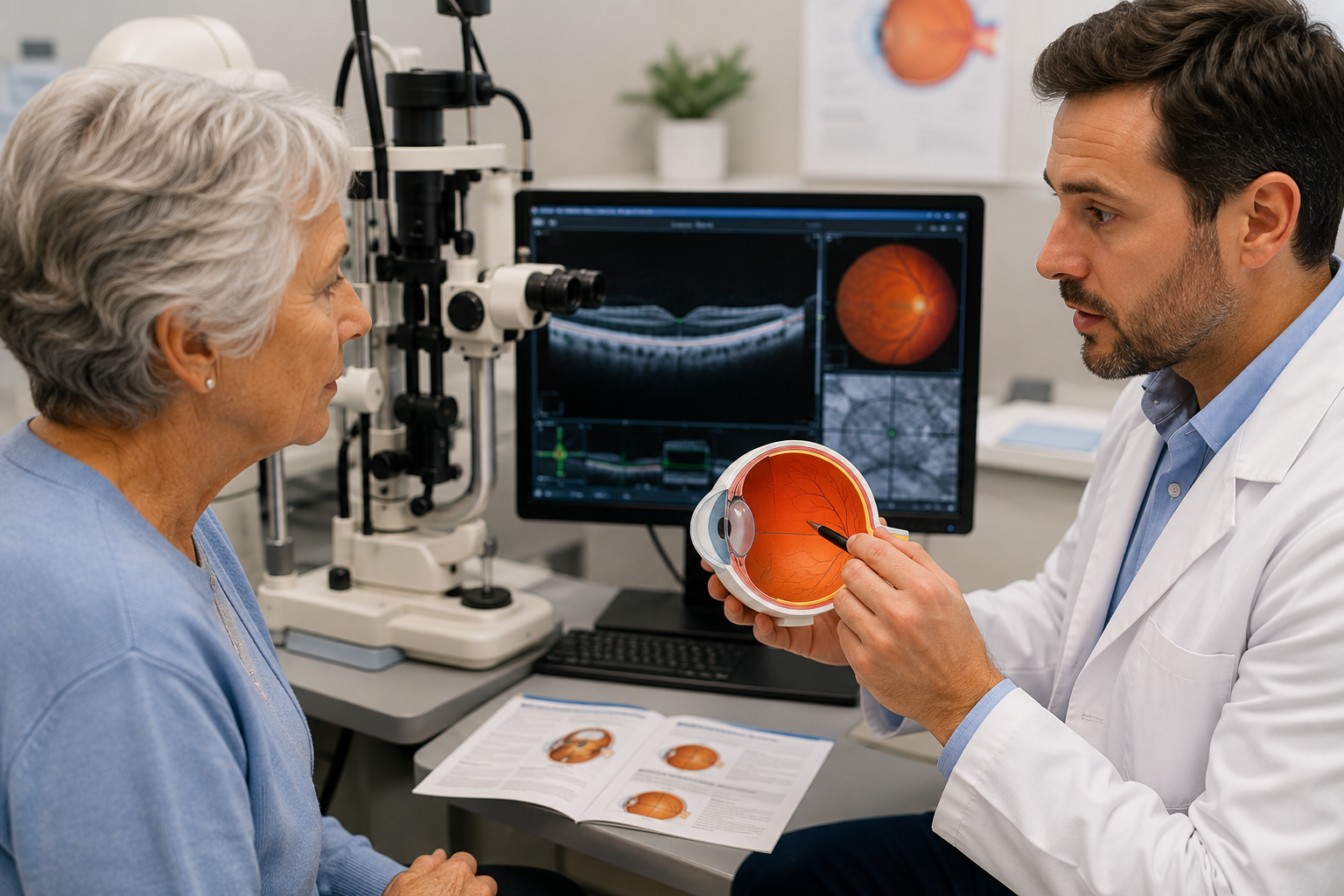
Treatment for Dry AMD
Historically, treatment options for dry AMD were limited, with management focusing primarily on slowing progression and protecting remaining vision.
Today, treatment may involve:
- Regular monitoring by an eye specialist.
- Nutritional supplements for suitable patients.
- Lifestyle changes that support eye health.
- New therapies approved for certain advanced forms of dry AMD.
- Home vision monitoring to detect changes early.
The overall aim is to preserve vision for as long as possible and identify any progression promptly.
Treatment for Wet AMD
Wet AMD requires a more immediate approach because vision can deteriorate quickly.
The most common treatment involves medicines injected into the eye that reduce the growth of abnormal blood vessels and help control fluid leakage. These treatments have transformed the outlook for many patients, allowing vision to stabilise and, in some cases, improve when treatment begins early.
Patients often require ongoing monitoring and repeat injections based on how their condition responds over time.
Although regular appointments may seem demanding, consistent treatment plays an important role in protecting vision.
Why Early Diagnosis Matters
Regardless of the type of AMD, early diagnosis greatly improves the opportunity to preserve useful eyesight.
Regular eye examinations allow specialists to detect changes before symptoms become severe and to begin appropriate treatment without unnecessary delay. This is particularly important for wet AMD, where rapid intervention can significantly influence long-term visual outcomes.
People experiencing distortion, blurred central vision or sudden changes in sight should seek professional assessment as soon as possible.
Monitoring Remains Essential
Even after treatment has begun, ongoing monitoring remains an important part of managing macular degeneration.
Routine appointments allow eye specialists to assess whether treatment is working, identify any changes in disease progression and adjust management plans where necessary. Patients are also encouraged to report any new symptoms between scheduled visits, particularly if changes occur suddenly.
Regular monitoring helps ensure that treatment continues to match the patient’s individual needs.
Supporting Overall Eye Health
Although medical treatment plays a central role, maintaining good general health also supports long-term eye care.
Eye specialists commonly recommend measures such as:
- Not smoking.
- Eating a balanced diet rich in vegetables and fruit.
- Managing blood pressure and other long-term health conditions.
- Remaining physically active.
- Attending all scheduled eye examinations.
While these steps cannot cure AMD, they contribute to overall wellbeing and may help reduce the impact of certain risk factors.
Looking Towards the Future
Research into macular degeneration continues to advance, with scientists exploring new medicines, longer-lasting therapies and innovative approaches aimed at preserving retinal cells. Clinical trials are improving understanding of both dry and wet AMD, offering hope that future treatment options will become increasingly effective and convenient for patients.
As knowledge grows, personalised treatment plans are likely to become even more refined, allowing specialists to tailor care according to each individual’s condition and stage of disease.
Choosing the Right Treatment Approach
Macular degeneration treatment is not the same for every patient because dry and wet AMD require different management strategies. While dry AMD often focuses on slowing progression and preserving remaining vision, wet AMD usually requires prompt medical intervention to control abnormal blood vessel growth and protect central eyesight.
Understanding these differences allows patients to work more confidently with their eye specialist, ensuring they receive the most appropriate care for their individual condition. With early diagnosis, regular monitoring and continued advances in treatment, many people with AMD are able to preserve useful vision and maintain their quality of life for years to come.